
WASH & RESILIENCE
Investing in renewable energy solutions for rural communities has been transformative. Providing off-grid solar power and wind energy solutions significantly improves livelihoods by ensuring access to reliable electricity. This enables better healthcare services, supports education through lighting and digital learning tools, and boosts local businesses by powering small enterprises. Additionally, renewable energy reduces dependence on expensive and polluting fuel sources, contributing to environmental sustainability. By empowering communities with clean energy, these initiatives enhance economic opportunities, improve living standards, and promote long-term resilience. In 2023, the Renewable Energy Program made significant progress, reaching over 200,000 people with sustainable energy solutions. Key achievements included installing solar mini-grids, distributing solar home systems, and training local technicians to maintain and manage renewable energy infrastructure. These efforts not only provided immediate energy access but also fostered community ownership and long-term sustainability.

Food Security & Livelihoods(FSL)
Based on the above summary, SDF made significant strides in improving access to clean water and sanitation in 2016, benefiting over 150,000 people through sustainable WASH interventions. Our Water, Sanitation, and Hygiene (WASH) programs are designed to address both immediate and long-term needs, ensuring communities have access to safe drinking water and improved sanitation facilities, particularly in drought-affected regions. By implementing resilient water solutions such as borehole drilling, solar-powered water systems, and large-scale rainwater harvesting, we aim to enhance water security and community well-being. The prolonged droughts and displacement crises in Somaliland have forced many families to seek refuge in IDP camps across major Regions like , Togdheer, and Ainabo and Sanaag. In response, SDF has integrated hygiene promotion and community-led sanitation programs into its resilience initiatives. This approach empowers displaced populations by improving hygiene practices, reducing the spread of waterborne diseases, and fostering self-sufficiency. A key success has been the community-driven maintenance of WASH infrastructure, where trained local committees ensure the sustainability of the facilities. The impact has been significant—families now have access to clean water, reducing health risks and improving overall living conditions. Additionally, women and children, who previously spent hours fetching water, now have more time for education and economic activities, further strengthening community resilience.
PROTECTION
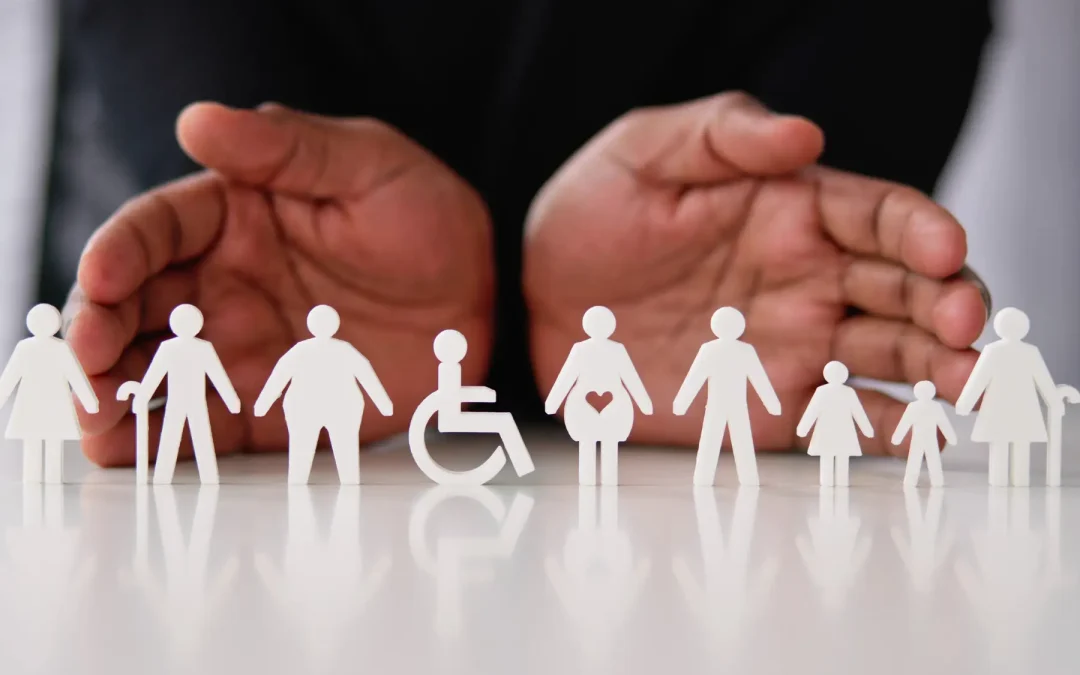
give concept like this. Protection for women, girls, and children falls short of required standards within the country, where incidents of gender-based violence (GBV) and child protection risks have significantly increased. In 2015, droughts exacerbated these issues, along with internal conflicts that led to widespread displacement of women, girls, and children, further compromising their protection. In response, SDF have reached 20,930 individuals through its operations aimed at ensuring the protection of women and children across its operational areas, despite concurrent activities in other organizational thematic sectors. These individuals, severely affected by the droughts, received assistance from SDF, enabling them to overcome barriers and contributing factors that escalated GBV and child protection concerns in their respective locations. SDF’s assistance created safe environments and strengthened their capacity to cope with shocks by developing new coping mechanisms. 11,733 individuals have been provided with information on gender-based violence (GBV) and the protection of GBV survivors. This has significantly influenced the community’s understanding, beliefs, and attitudes towards GBV, prompting them to unite in the commitment to eradicate all forms of gender-based violence. While 4,624 individuals received detailed information on essential services available for GBV survivors. This knowledge enables displaced survivors to stay connected with services, thereby reducing the risks of further harm. Additionally, 4,573 children now have access to child-friendly spaces where they are safe from violence that threatens their well-being. These spaces allow children to exercise their right to enjoy, learn, and interact with each other through sessions on child rights and protection risks, which are linked with the importance of education. This facilitated the adoption of new coping strategies during crises and disruptions experienced during droughts. As a result, there has been an increase in school enrolment due to the safe environment provided
EDUCATION
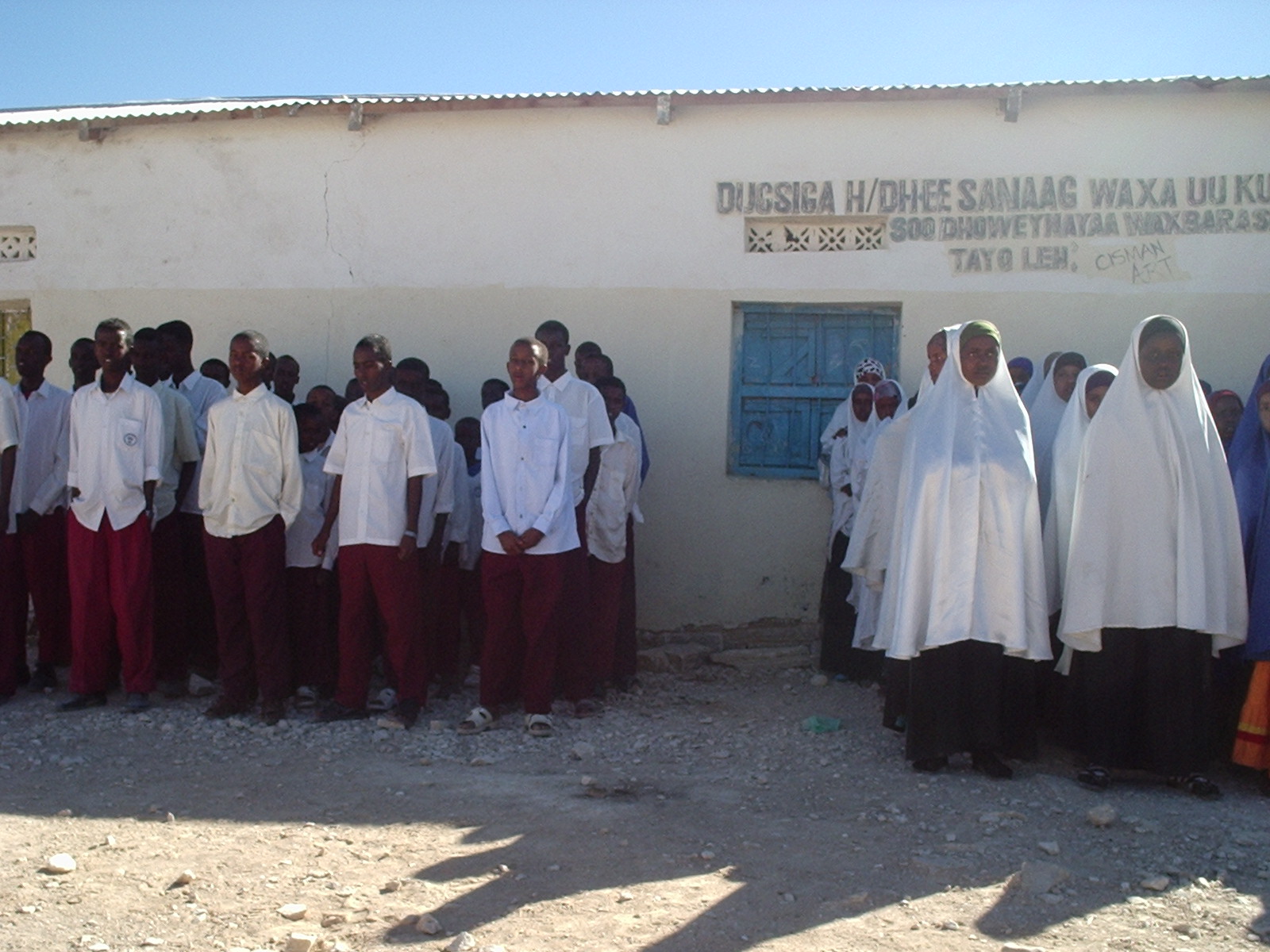
SDF made significant contributions to improving access to quality education in 2020 by reaching over 75,000 children with educational support, school supplies, and teacher training programs. Our Education and Child Development programs are designed to address both the immediate and long-term educational needs of vulnerable populations, particularly children affected by displacement, poverty, and natural disasters. We focus on ensuring access to safe learning environments, enhancing teacher capacity, and providing essential learning materials to create a more inclusive and equitable education system. The recurrent droughts, conflicts, and insecurity in many parts of Somaliland have forced thousands of families to migrate to IDP camps in major regions such as Sanaag and Togdheer. As part of our commitment to providing lasting solutions for displaced children, SDF has introduced accelerated learning programs within IDP communities. This initiative, integrated into our resilience strategy, aims to support out-of-school children by offering flexible education programs that help them catch up on missed learning. The success of this pilot program has been evident in improved literacy and numeracy skills among participating children, as well as increased school enrollment rates. Additionally, vocational training programs for youth in IDP camps have equipped them with practical skills in areas such as carpentry, tailoring, and entrepreneurship, creating new opportunities for self-reliance and economic stability. The initiative has also fostered a culture of learning within the community, inspiring more families to prioritize education for their children.